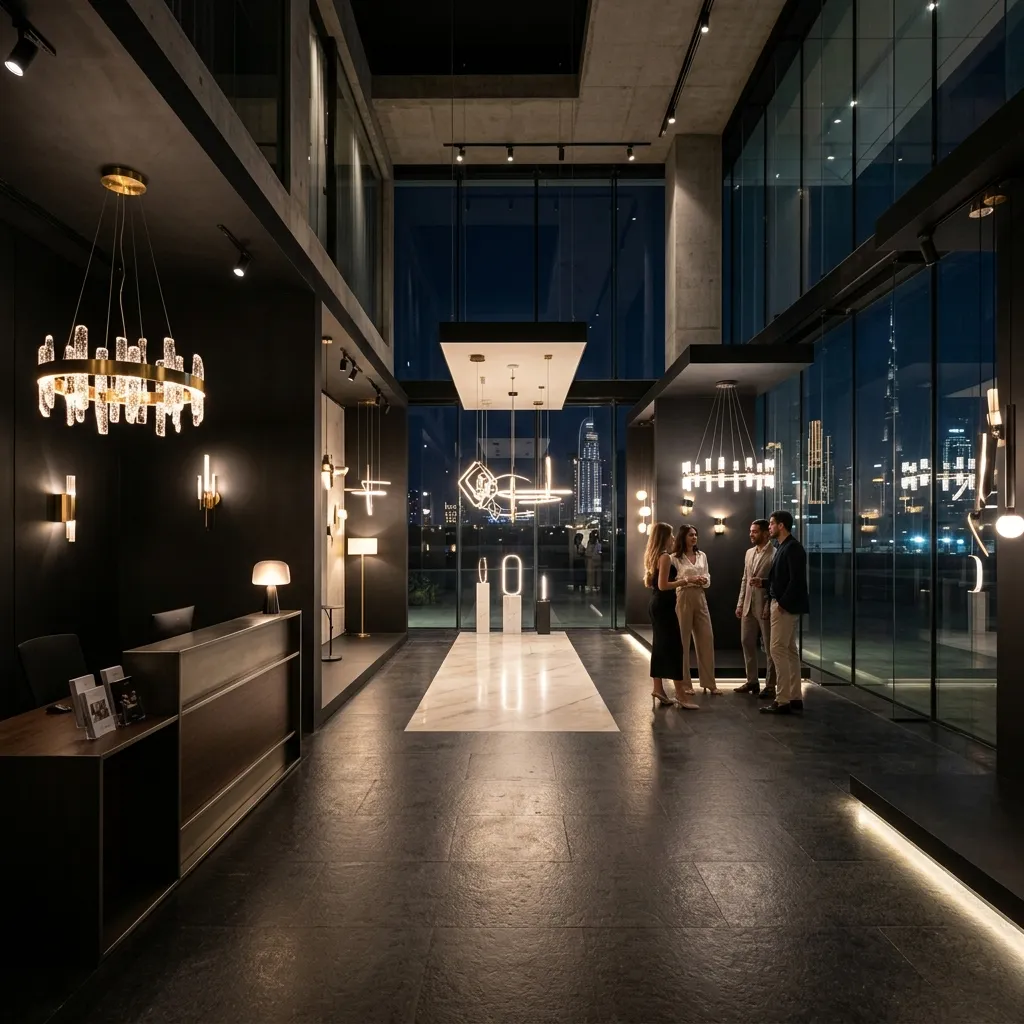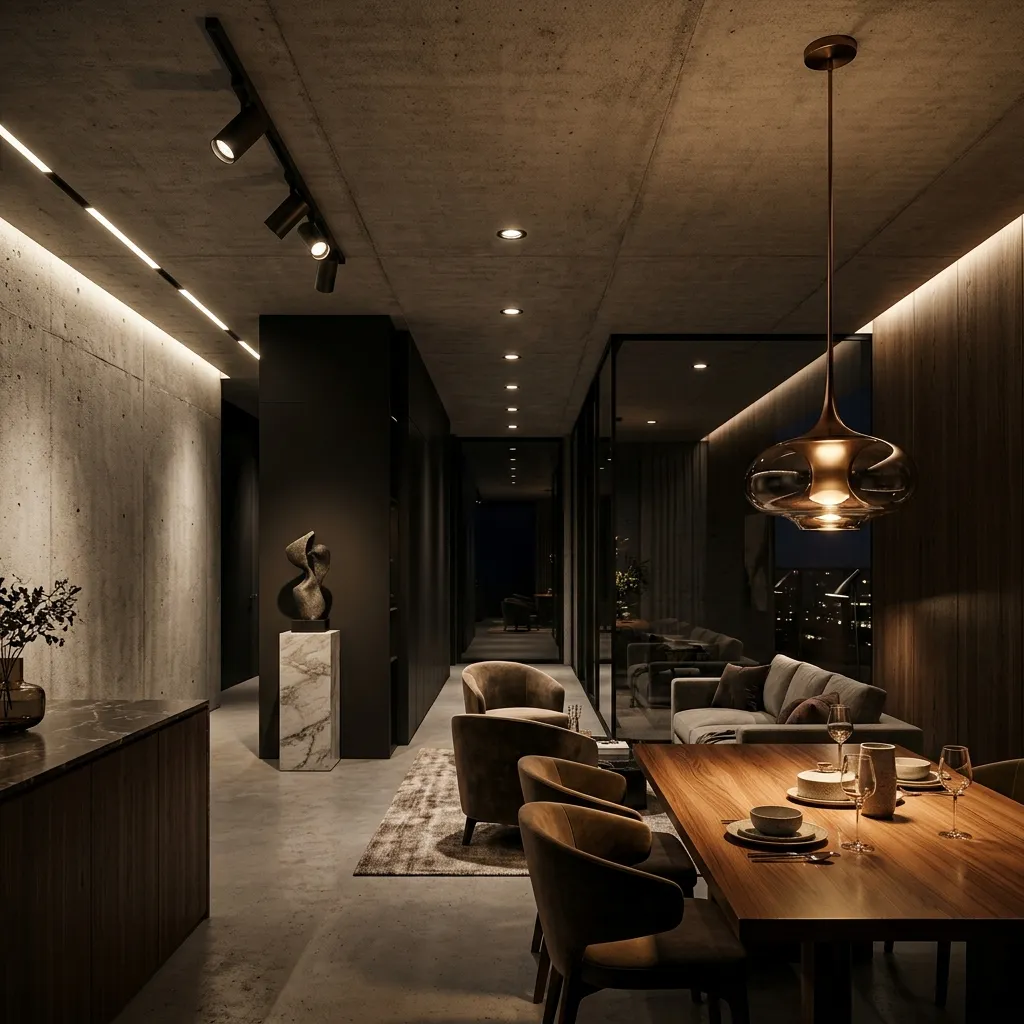
Pendant lights and chandeliers are both ceiling-suspended fixtures, but they serve different purposes and create very different visual effects. Choosing between them — or deciding to use both — depends on your room proportions, ceiling height, design style, and the functional role you need the fixture to play.
What Defines Each Type?
A pendant light typically hangs from a single cord, chain, or rod and features one light source (or a tightly grouped cluster). Pendants are focused — they direct light downward onto a specific surface like a dining table or kitchen island. Their design ranges from minimal industrial to elaborate decorative.
A chandelier is a multi-branched fixture with multiple light sources arranged to create a wide, ambient glow. Chandeliers are inherently decorative — they are as much a visual centrepiece as they are a source of illumination. Traditional chandeliers use crystal or glass; modern chandeliers explore metal, glass, and mixed media in abstract forms.
When to Choose a Pendant
Pendants excel in spaces where you need task-oriented or accent lighting with a design statement. Over a dining table, a pair of pendants provides focused illumination for the meal while leaving the rest of the room in softer ambient light. Over a kitchen island, a row of three pendants defines the workspace and creates visual rhythm.
Pendants also work well in spaces with standard ceiling heights (2.7 to 3.0 meters) where a large chandelier would overwhelm the proportions. Their compact scale allows them to hang closer to the table without dominating the room.
When to Choose a Chandelier
Chandeliers are the right choice when you need a dramatic visual centrepiece that fills a large volume of space. Entrance foyers, stairwells, hotel lobbies, and ballrooms are natural chandelier environments. They work best with ceiling heights of 3 meters or more, where the fixture can hang freely without feeling oppressive.
In residential settings, a modern chandelier over a formal dining table or in a master bedroom can elevate the entire room. The key is scale — the chandelier should be proportional to the room, not the table beneath it.
Sizing Guidelines
For pendants over a table: The fixture diameter should be roughly one-third to one-half the table width. Hang it 70 to 85 centimeters above the table surface.
For chandeliers in a room: Add the room length and width in meters, then multiply by 10 to get the approximate chandelier diameter in centimeters. A 5m × 4m room suggests a chandelier of approximately 90 centimeters diameter.
For double-height spaces: The chandelier should occupy roughly 25 to 30 percent of the vertical space between the floor and the ceiling.
Can You Use Both?
Absolutely. In open-plan living and dining spaces, it is common to use a chandelier over the dining table as the room's focal point and pendants over the kitchen island for task lighting. The key is maintaining a consistent design language — the fixtures do not need to match exactly, but they should feel cohesive in scale, finish, and style.
Explore our pendant light and decorative fixture range on our pendant lights Dubai page, or visit our showroom to see options in person.